
News

Folic acid does not elevate toxic formaldehyde in the body, according to a new study on mice and human cancer patients who consumed high doses.

Seven Cornell research teams have received Center for Advanced Technology grants to advance early-stage life science technologies through collaborations with biotechnology companies across New York state. Awardees include projects on fertility technology and decreasing children’s exposure to antibiotics.
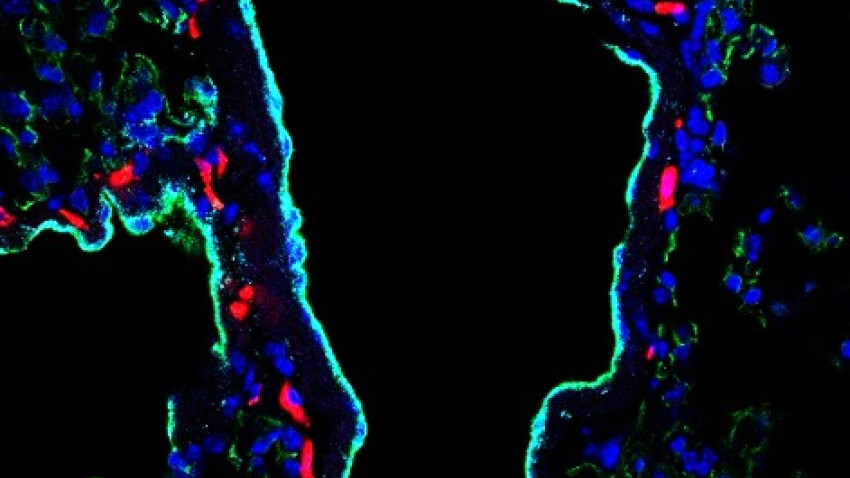
The protein makes blood vessels leakier to allow metastatic tumors to form in the lungs, according to a study led by investigators at Weill Cornell Medicine and Memorial Sloan Kettering Cancer Center.
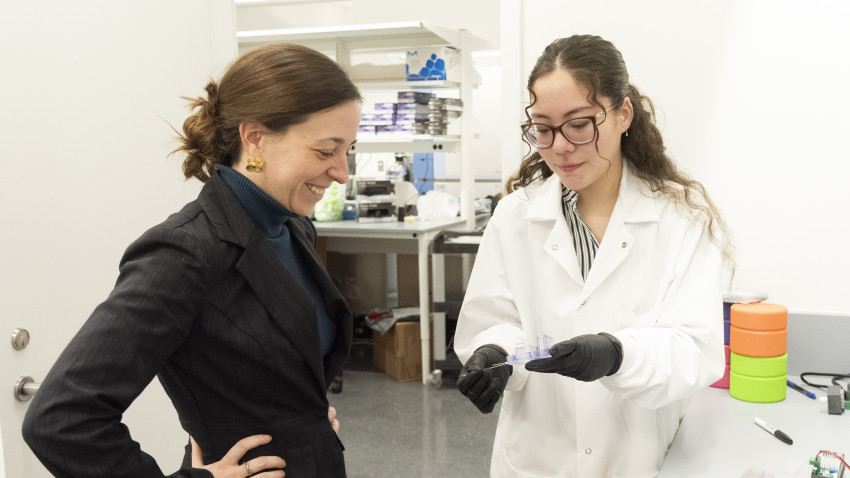
A new Duffield Engineering biomedical engineering course will challenge students to investigate real-world failures in women’s health technologies and identify opportunities for better design.
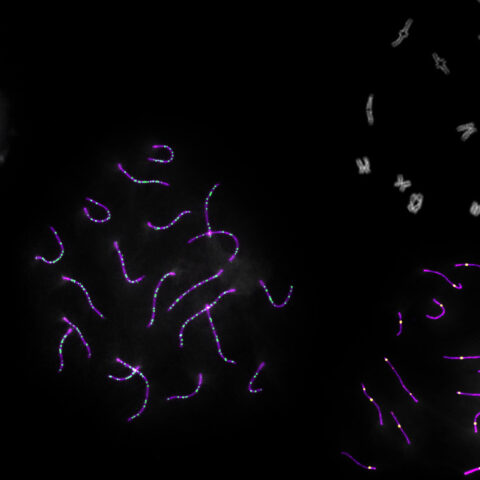
A Cornell-led study is challenging a decades-old explanation for how chromosomes exchange genetic material within the biological process that forms eggs and sperm in mammals.
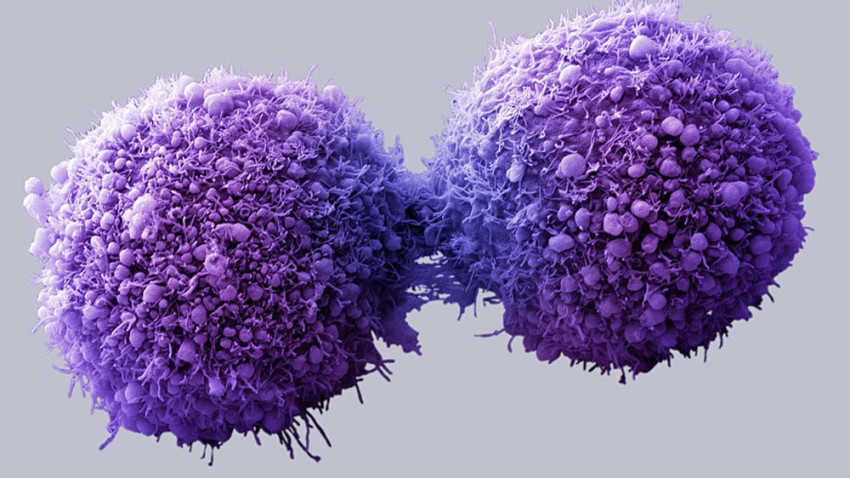
A new prodrug offers a new strategy to potentially reduce the recurrence of pancreatic and triple-negative breast cancer in patients who initially respond to treatment.

A new Cornell-led report shows protecting nutrition now depends on integrating food and health systems as climate shocks strain both at once.

The majority of national climate adaptation plans fail to fully integrate health needs or engage populations most at risk from climate change, according to a new study.

Reproductive health researchers from across the Northeast gathered at Cornell University April 30–May 1 to examine infertility, embryo development and reproductive aging at the 2026 Tri-State Symposium on Reproductive Sciences.

Researchers identify a molecular gatekeeper that clears excess manganese from the brain, offering new clues about a rare neurological condition.

Delaying hepatitis B vaccination after birth increases infections among newborns and decreases their survival rates and quality of life, according to a new study in JAMA Pediatrics.